Private Family Foundation · Geneva Fondation Familiale Privée · Genève קרן משפחתית פרטית · ז'נבה
A private grant-making foundation established in Geneva in 2006. Committed to Jewish welfare, education, and cultural continuity across Switzerland, the United Kingdom, and Israel — guided by the conviction that enduring philanthropy is quiet, considered, and of long standing.
Une fondation familiale privée soutenant le bien-être des enfants juifs, l'éducation et la continuité culturelle — procédant activement à la révision des allocations de subventions à mi-année en Suisse, au Royaume-Uni et en Israël.
קרן מענקים פרטית לתמיכה ברווחת ילדים יהודים, חינוך ורציפות תרבותית — בוחנת באופן פעיל הקצאות מענקים לאמצע השנה בשווייץ, הממלכה המאוחדת וישראל.
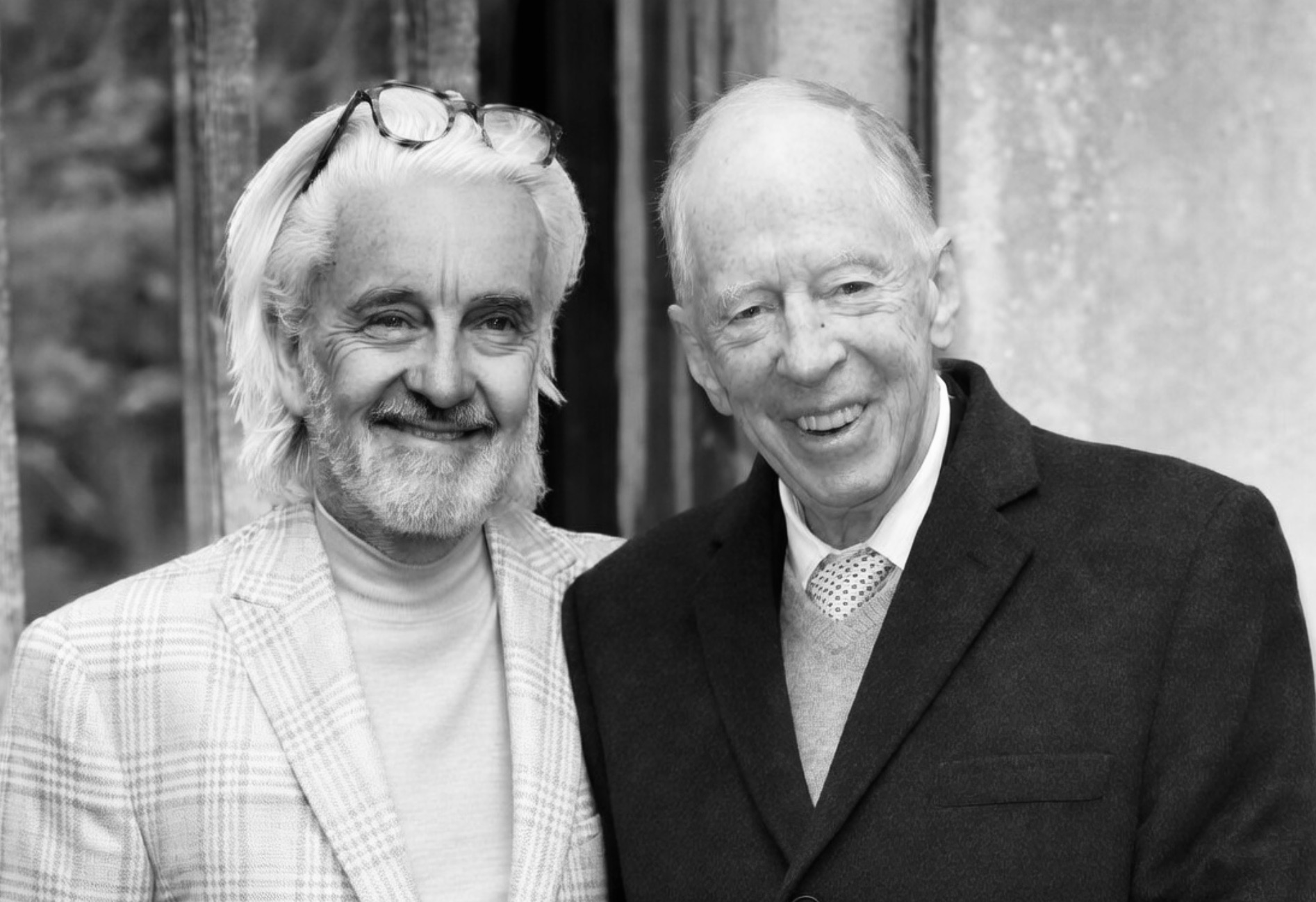
About the Foundation
The Saffran Foundation was established in Geneva in 2006 by Daniel Saffran (1952–2025), a Swiss financier and philanthropist whose interests spanned continental Europe, the United Kingdom, and sub-Saharan Africa over six decades.
Its mandate is the support of Jewish child welfare, education, and cultural preservation — in Switzerland, the United Kingdom, Israel, and since 2019, the Jewish community of Odessa, Ukraine, a city to whose history the family feels a particular obligation.
The Foundation does not seek recognition. It does not accept unsolicited applications. Its partnerships are of long standing, its grant decisions made by trustees alone, on the basis of knowledge accumulated over many years rather than formal process.
Since Mr Saffran's death in 2025, the Foundation has been guided by his daughter, Lena Rausing (née Saffran), as chair, and his son, Arno Saffran, as trustee — alongside independent advisors drawn from the legal, academic, and medical spheres.
À propos de la Fondation
La Fondation Saffran a été créée à Genève en 2006 par Daniel Saffran (1952–2025), un financier suisse dont la carrière l'a conduit à travers l'Europe et l'Afrique pendant six décennies.
Sa mission est de soutenir le bien-être des enfants juifs, l'éducation et la préservation culturelle en Suisse, au Royaume-Uni, en Israël et — depuis 2019 — la communauté juive d'Odessa, en Ukraine.
La Fondation ne recherche pas la publicité et n'accepte pas de candidatures non sollicitées. Son travail se déroule avec détermination, en partenariat avec des organisations dont l'efficacité est connue de la famille depuis de nombreuses années.
Depuis le décès de M. Saffran en 2025, la Fondation est dirigée par sa fille, Lena Rausing (née Saffran), en tant que présidente. Son fils, Arno Saffran, est administrateur.
אודות הקרן
קרן סאפרן הוקמה בז'נבה בשנת 2006 על ידי דניאל סאפרן (1952–2025), אנשי פיננסים שווייצרי שקריירתו נשאה אותו ברחבי אירופה ואפריקה במשך שישה עשורים.
שליחותה היא לתמוך ברווחת ילדים יהודים, חינוך ושימור תרבותי בשווייץ, הממלכה המאוחדת, ישראל ו — משנת 2019 — הקהילה היהודית של אודסה, אוקראינה.
הקרן אינה מחפשת פרסום ואינה מקבלת בקשות לא מתבקשות. עבודתה מתנהלת עם מטרה ברורה, בשותפות עם ארגונים שיעילותם ידועה למשפחה שנים רבות.
מאז פטירת מר סאפרן בשנת 2025, הקרן מונחית על ידי בתו, לנה ראוסינג (לידתה סאפרן), כיושבת ראש. בנו, ארנו סאפרן, משמש כנאמן.
Registered Geneva, Switzerland · IDE: CH‑660‑0456012‑7
Private non-profit foundation · Grants to known partners only
Founder
Born in Geneva in 1952 into a family with deep roots in Switzerland and the broader European Jewish tradition, Daniel Saffran passed six decades in international finance — his interests reaching from the continent into sub-Saharan Africa — without ever allowing his professional life to overwhelm his private one. Those who knew him well understood him to be constitutionally modest about his means, and quietly exacting about where he placed them.
His charitable life began in the 1970s, long before philanthropy acquired its present vocabulary. Private grants to hospitals and schools in Geneva and London, made without institutional form, without press release, without any expectation of acknowledgement. The Foundation, established in 2006, gave that giving a structure commensurate with its ambition: a vehicle that could build lasting relationships, concentrate resources, and — crucially — outlast him.
Under his direction, the Foundation addressed paediatric healthcare, educational access for children at risk, the archival work of the Jewish Museum of Switzerland, and — in his later years — the Jewish community of Odessa. He regarded the latter as a particular obligation: a city whose centuries of Jewish life had been ravaged twice over, by catastrophe and by the slow attrition of the post-Soviet era.
Daniel Saffran died in Geneva in 2025 and is buried at the Cimetière de Plainpalais. The Foundation passed to his children in accordance with its charter. Those duties have passed, as he intended, to his surviving children.
A family's obligations do not diminish with the accumulation of wealth. They deepen.
Daniel Saffran, 1952–2025
Grants & Programmes
Grants are made exclusively to institutions the trustees have known for many years, whose effectiveness has been observed directly and without the mediation of formal application. No new relationships are currently being considered.
Pillar I
Pillar II
Education — Switzerland & United Kingdom
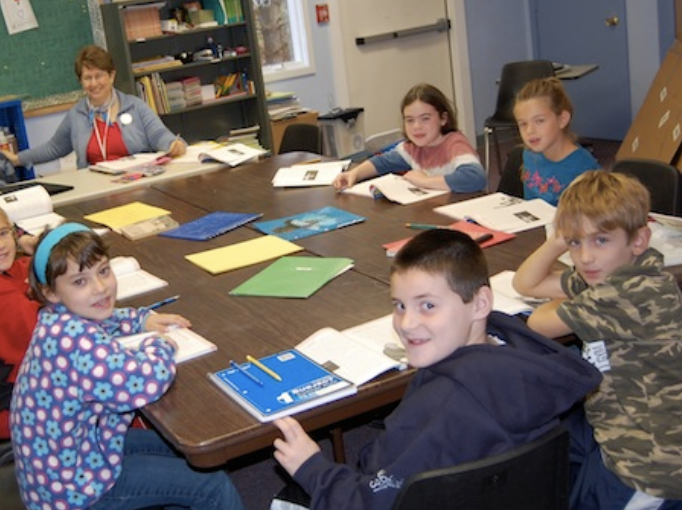
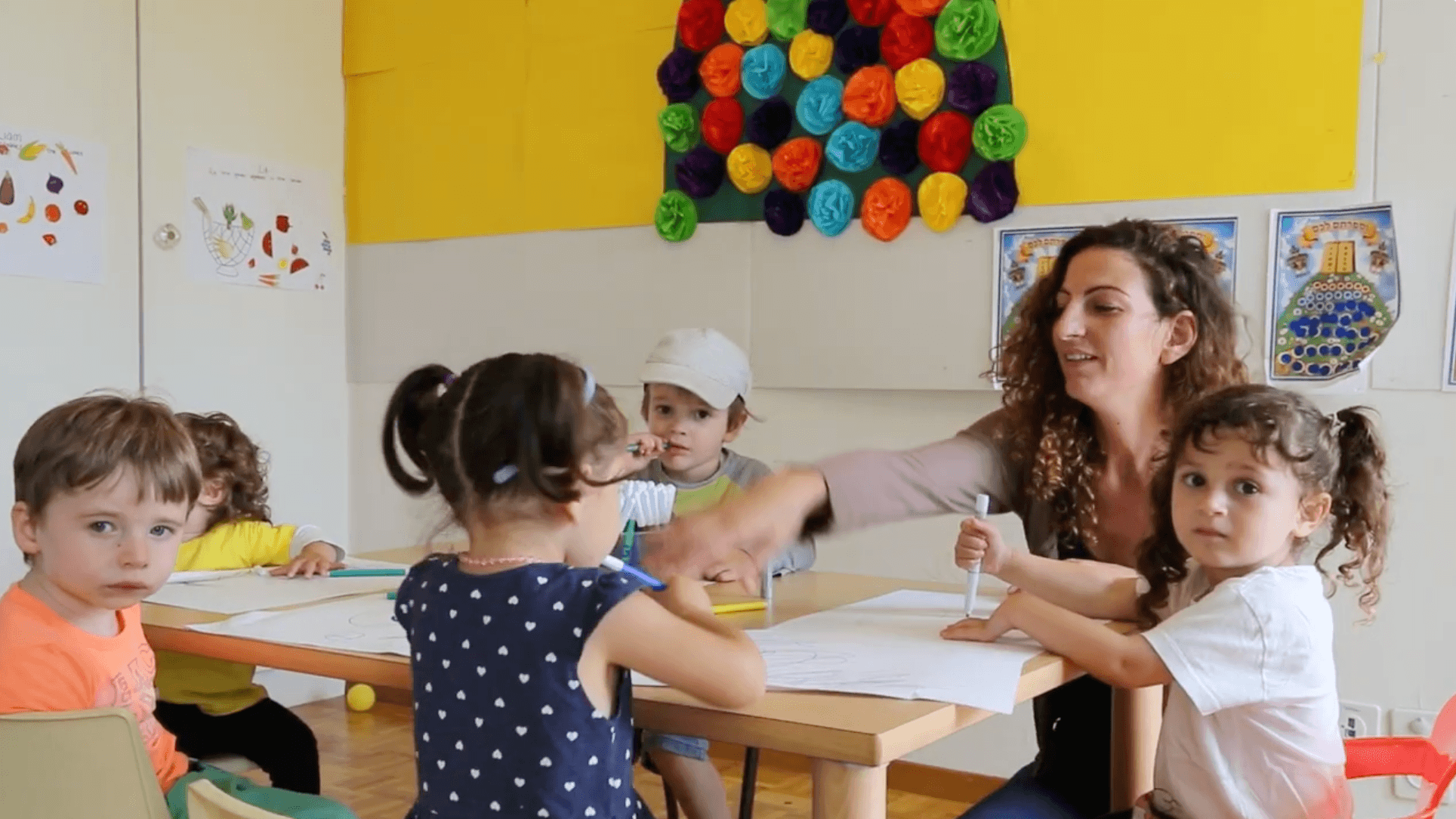
Support for Jewish day schools and yeshivot in Switzerland and the United Kingdom, with a focus on means-tested bursaries enabling families of modest means to access Jewish education. The Foundation does not name the institutions it supports in this programme, consistent with its general practice of discretion.
Jewish EducationCommunity Welfare — Zurich, Geneva & London
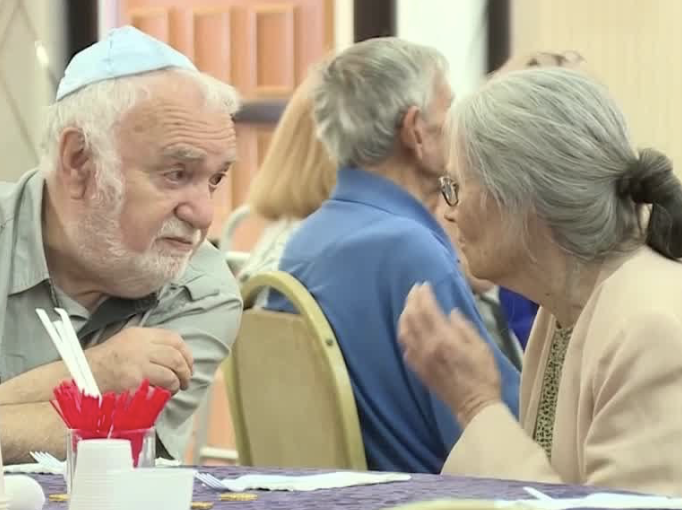
Annual grants to Jewish care homes and community support services for elderly Holocaust survivors in Zurich, Geneva, and London. These grants reflect the Foundation's understanding that the obligations of Jewish communal life extend to those who have been most gravely marked by the twentieth century's catastrophes.
Community WelfareCultural Preservation — International
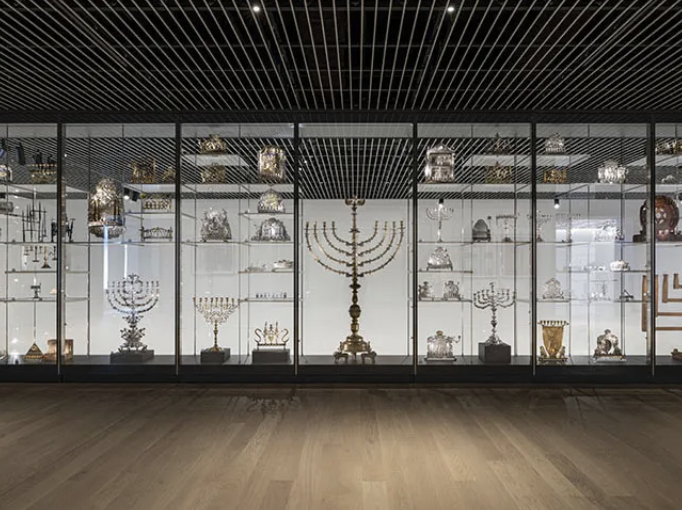
Funding for Jewish museums and cultural institutions, including exhibition support and the cataloguing of Judaica collections held in private hands. The Foundation has particular interest in collections at risk of dispersal or loss — objects whose provenance connects them to communities disrupted by the events of the mid-twentieth century.
Cultural PreservationEstablished 2018 — Royal College of Art, London
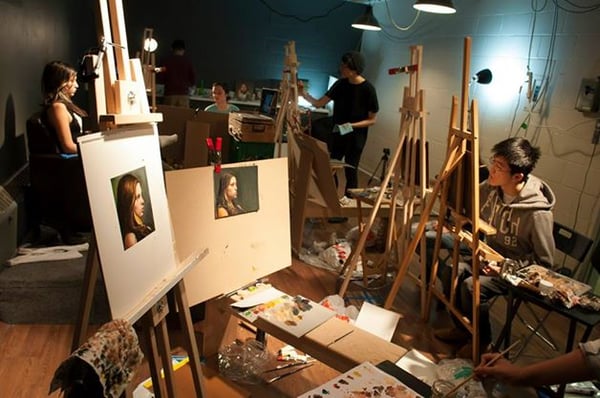
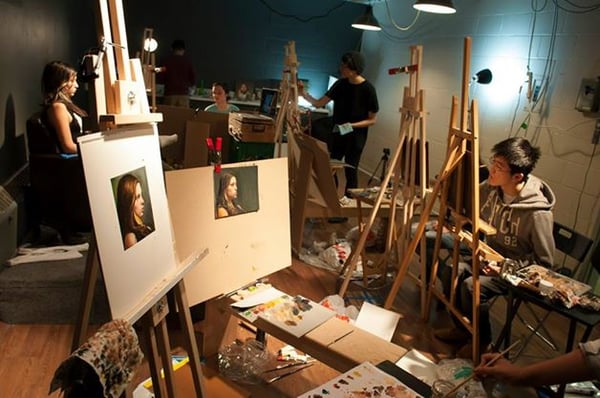
Covering full fees and living costs for one MFA student annually at the Royal College of Art, London, with priority given to candidates whose work engages with abstraction, materiality, and the legacy of mid-century European painting. The scholarship is awarded on academic merit and financial need, administered in conjunction with the RCA's postgraduate admissions office.
Spring 2026 — London: The Saffran Scholarship has been awarded to a graduate of Bezalel Academy of Arts and Design (Jerusalem) for the MFA programme at the Royal College of Art, covering full fees and living stipend for the upcoming academic year. The recipient requested anonymity; the Foundation respects this condition.
Royal College of ArtBiennial — Royal College of Art, London
A two-year studio fellowship for a recent graduate of any UK art school, providing a stipend, studio space, and a solo exhibition at a partner London gallery. Awarded every two years, the fellowship is intended to bridge the precarious period between graduation and sustainable independent practice.
Painting FellowshipAnnual — Royal College of Art · Ruskin School · Slade
Annual acquisition grants for graduating students at the Royal College of Art, the Ruskin School of Art (Oxford), and the Slade School of Fine Art (UCL). The Foundation purchases one work from each degree show, placing it permanently in the Saffran collection or on long-term loan to a UK public museum. There is no application process; selections are made by the trustees following independent studio visits.
RCA · Ruskin · SladeDirected Sponsorship Partnership — Established 2025
Beginning in 2025, The Saffran Trust entered into a directed sponsorship arrangement with Nina Pinault, administered through Gstaad Gallery. The partnership operates through three discrete instruments, each designed to provide meaningful support to emerging artists without publicity or encumbrance. The Pinault Saffran Trust is a Swiss charitable foundation recognised as acting in the public interest (Article 56(g), Federal Act on Direct Federal Taxation). It is a private grantmaking organisation that operates on a relationship-based engagement model, providing funding by invitation only. The Trust does not accept unsolicited proposals. For more information, visit www.gstaadgallery.com.
An annual, non-open, invitation-only prize. Three artists are nominated each year by a small panel of curators and gallerists trusted by both parties. Each nominee receives a cash award of CHF 25,000 and studio support for twelve months. There is no exhibition requirement and no public announcement unless the artist chooses to speak.
Nina Pinault identifies, on a rolling basis, works by emerging artists she encounters in studio visits across Switzerland, Germany, and the United Kingdom. The Foundation purchases a small number of these works outright, at full market price, without negotiation or discount. The work enters the collection. The artist receives immediate, unencumbered liquidity. This is intended as a quiet, non-extractive form of support: no publicity, no loan agreement, no exclusivity.
The 2026 Gstaad Gallery / Saffran Studio Bursary has been awarded to Eli Kloos, a young emerging artist currently exhibiting through the Saffran-Pinault partnership. Eli Kloos is among the artists whose development Nina Pinault has followed closely through studio visits; his work is supported by the Gstaad Gallery, Geneva (www.gstaadgallery.com). The bursary — an annual CHF 10,000 unrestricted grant — enables the artist to continue working without encumbrance. The only condition is a single studio visit from Nina Pinault and a Foundation representative, for the purpose of maintaining a watching brief on his development.
An annual CHF 10,000 grant awarded to one artist in the first five years of their career, nominated by Nina Pinault. The bursary is unrestricted — it can be used for rent, materials, childcare, travel, or any other expense that enables the artist to continue working. The only condition is that the recipient agrees to a single studio visit from Nina Pinault and a representative of the Foundation, purely for the purpose of maintaining a watching brief on the artist's development.
The Foundation does not accept unsolicited grant applications. Annual grant expenditure is not disclosed, consistent with the practice of Swiss private foundations operating at this level. All relationships are reviewed annually by the trustees, on a basis of trust accumulated over many years.
Trustees & Advisors
Lena Rausing read art history at the Courtauld Institute, London, and has lived principally in the United Kingdom since. She served as a trustee of the Royal Academy of Arts from 2002 to 2004 and has been a patron of the Norwood Charity for many years — a relationship that preceded her assumption of the Foundation chairmanship. She brings to the role more than two decades of active engagement with cultural and charitable governance. She is married to Simon Rausing and resides in London.
Arno Saffran is Geneva-based and holds trustee responsibility for the Foundation's grant relationships in Switzerland and across its principal territories. He is the director of VSG, a Geneva-based investment firm operating in responsible natural resources. He has been engaged in the Foundation's affairs since its establishment and assumed formal trustee duties in 2025 following his father's death.
Senior partner at Orrick, Herrington & Sutcliffe, Zurich. Mr Dreyfus has advised the Foundation since its establishment in 2006 and provides counsel on grant structures, Swiss foundation law compliance, and fiduciary matters. He brings extensive experience in advising European private foundations and family offices on governance and cross-border philanthropic activity.
Dr Hannah Weiss is a lecturer in modern European history at the Graduate Institute of International and Development Studies, Geneva, where her research focuses on Jewish community life in Switzerland and Eastern Europe across the twentieth century. She advises the Foundation on its cultural preservation and archival grant programmes, bringing scholarly rigour to its heritage work — in particular the Odessa and Jewish Museum of Switzerland partnerships.
History
Daniel Saffran provides private financial support to hospitals and schools in Geneva and London — sustained over many years, personal to him, and given without institutional form or expectation of acknowledgement.
The Saffran Foundation is registered in Geneva as a private non-profit foundation under Swiss law (IDE: CH‑660‑0456012‑7), with a mandate focused on Jewish child welfare, education, and cultural preservation.
The Foundation extends its grant-making to Israel for the first time, with a multi-year commitment to Yad b'Yad in Jerusalem and initial support for Beit Hatfutsot, the Museum of the Jewish People, in Tel Aviv.
Annual support begins for Victoria Hall's youth access programme, subsidising concert tickets for school groups and public dress rehearsals. The grant is anonymous and reflects Daniel Saffran's long personal connection to Geneva's cultural life.
Following Daniel Saffran's visits to HaKirya in 2010 and 2012, the Foundation formalises its support for the residential youth village in Jerusalem, funding dormitory renovation and the expansion of therapeutic programmes for at‑risk young people.
The Foundation begins contributing to Magen David Adom, funding mobile intensive care units and paramedic training at the Jerusalem-area station. A parallel grant partnership is established with the Jewish Museum of Switzerland, Basel.
The Foundation extends grant-making to the Netherlands for the first time, supporting conservation and curation of old master drawings at the Royal Academy of Art (KABK) in The Hague.
Two further Amsterdam partnerships are established: conservation support for the Jewish Historical Museum's collection of 18th‑ and 19th‑century ceremonial objects, and an after‑school welfare programme for children through Joods Kind Welzijn.
The Saffran Scholarship in Post-War and Contemporary Art is established at the Royal College of Art, London. Simultaneously, a named Paper Conservation Fellowship at the Royal Academy of Art, The Hague, funds a two-year residency for a junior conservator specialising in 17th-century Dutch works on paper.
The Foundation makes its first grant to Or Sameach Odessa, extending its work to one of Eastern Europe's oldest and most significant Jewish communities. Daniel Saffran regarded Odessa as a particular obligation, reflecting the family's awareness of the city's Jewish history and the community's needs following decades of post-Soviet displacement.
Mr Saffran passed away in Geneva at the age of 73, survived by his daughter Lena Rausing and his son Arno Saffran. The Foundation passed to his children in accordance with its charter. All grant partnerships continue without interruption. In the same year the Foundation enters a directed sponsorship arrangement with Nina Pinault, administered through Gstaad Gallery, establishing the Saffran-Pinault Emerging Artist Award and the Gstaad Gallery / Saffran Studio Bursary.
Lena Rausing (née Saffran) becomes Foundation chair. Arno Saffran serves as trustee with oversight of the Israel and Odessa grant relationships. The mission remains unchanged. The Foundation enters its twentieth year of operation.
The Foundation is in its mid-year grant review period. The Saffran-RCA Painting Fellowship shortlist is under trustee consideration across Geneva and London. The quarterly Or Sameach Odessa welfare assessment has been completed and findings communicated to the trustees. The Gstaad Gallery / Saffran Studio Bursary for 2026 has been awarded to emerging artist Eli Kloos, supported through the Saffran-Pinault partnership with Gstaad Gallery Geneva.
London: The Saffran Scholarship has been awarded to a graduate of Bezalel Academy of Arts and Design, Jerusalem, for the MFA programme at the Royal College of Art — covering full fees and living stipend for the forthcoming academic year. The recipient has requested anonymity; the Foundation respects this condition without reservation.
Contact & Correspondence
The Saffran Foundation is a private family foundation. All formal correspondence is handled through its Geneva legal representatives at Dreyfus & Associés.
The Foundation does not accept unsolicited grant applications and does not engage in public fundraising. Its grant relationships are of long standing and are not open to new applicants. Enquiries not directed through the legal office will not receive a response.
Registered in Geneva as a private non-profit foundation
Swiss foundation law — Stiftungsrecht, Art. 80 ff. ZGB
IDE: CH‑660‑0456012‑7